

Helping your child develop strong reading habits is one of the most valuable investments you can make in their education. Reading opens the door to academic success, creativity, emotional growth, and lifelong learning. But many parents wonder: How do I encourage reading in my child? or How can I help my child read better at home?
The truth is, every child can become a confident, joyful reader. Sometimes they just need the right environment, encouragement, and support. In this guide, you’ll discover 10 effective, research-backed strategies that parents can use to encourage reading in kids of all ages. These tips will help you nurture a positive reading experience, build strong literacy skills, and support your child’s long-term learning success.
If you ever feel your child needs extra guidance or personalized support, Reading Nook Tutoring offers one-on-one reading instruction designed to build confidence and make reading enjoyable. You can request a free consultation anytime.

1. Establish a Daily Reading Routine
When parents ask how to encourage reading in kids, one of the most powerful answers is routine. Children thrive on predictable patterns, and incorporating reading into your daily schedule helps normalize it as part of everyday life.
Tips for creating strong reading habits:
- Set aside 10–20 minutes each day for independent or shared reading.
- Choose a consistent time such as before bed, after school, or right after dinner.
- Remove distractions like TV, tablets, toys, or background noise.
- Treat the time as relaxing, cozy, and enjoyable.
Daily exposure is one of the strongest predictors of reading success. Even short sessions add up to massive progress over time.
2. Build a Print-Rich Environment at Home
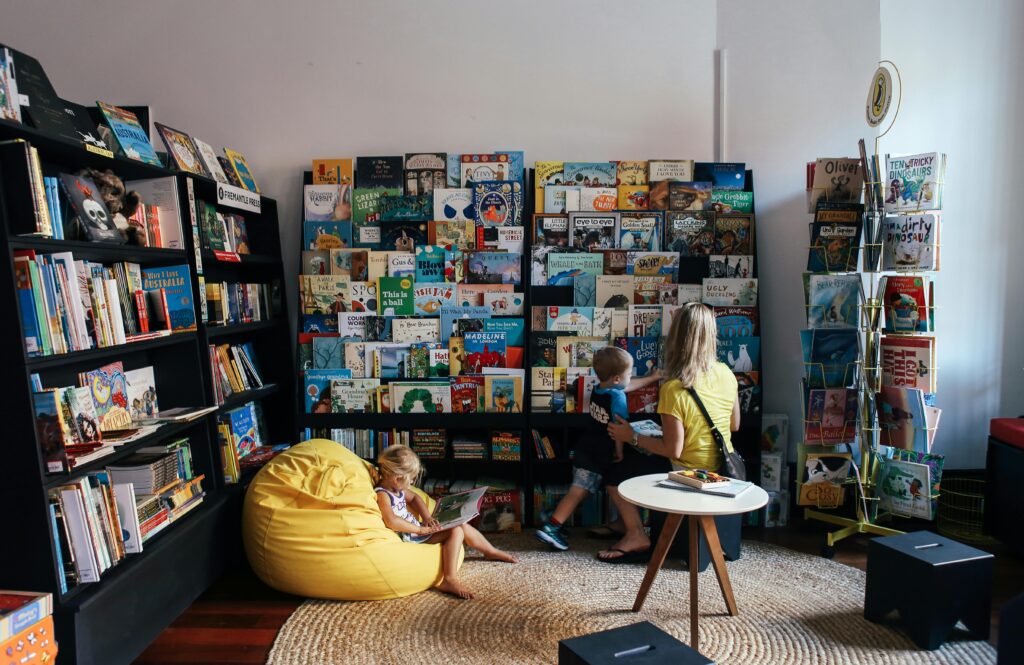
If you want kids to read more, they need easy and constant access to books. A book-rich home supports early literacy development and increases reading motivation.
Ways to create a reading-friendly home:
- Keep books in baskets, bins, or low shelves kids can reach independently.
- Add books to multiple rooms such as bedrooms, play areas, cars, kitchen tables.
- Display books face-out like a bookstore to catch your child’s eye.
- Rotate books so your child experiences novelty and excitement.
Kids naturally gravitate toward what is visible and available. The more you surround them with reading materials, the more reading becomes part of their everyday life.
3. Let Your Child Choose Their Own Books
One of the most effective reading tips for parents is to give your child choice. When kids choose what they read, they feel more motivated and engaged.
Encourage your child to explore:
- Fiction or non-fiction
- Graphic novels and comics
- Joke books
- Magazines
- Illustrated chapter books
- Books about their hobbies and interests
- Audiobooks or e-books
Choice empowers kids and increases reading enjoyment, especially for reluctant readers. Librarians and tutors can also recommend options based on your child’s interests and reading needs.
4. Read Aloud At Every Age
Reading aloud isn’t just for toddlers. It’s one of the most important tools for improving reading skills in children from kindergarten right through middle school.
Benefits of reading aloud:
- Builds vocabulary and language comprehension
- Introduces rich sentence structures
- Models fluent reading
- Creates opportunities for discussion
- Strengthens parent-child connection
Choose books slightly above your child’s independent reading level, use expression to bring characters to life, and pause to discuss predictions or feelings. Shared reading strengthens literacy skills while making reading fun and memorable.

5. Be a Strong Reading Role Model
Children imitate what they see. One of the best ways to encourage reading in kids is to show them that adults read for fun, learning, and relaxation as well.
How to model reading behavior:
- Read your own books during your child’s reading time.
- Talk openly about what you’re reading and why you enjoy it.
- Show enthusiasm when visiting libraries or bookstores.
- Treat reading as a valuable life skill instead of something kids do “only for school.”
When children see reading modeled consistently, they come to view it as a natural habit rather than a chore.
6. Use Audiobooks and Reading Apps Wisely
Technology can be a powerful tool for early literacy when used intentionally. Audiobooks and reading apps are excellent for building interest, especially for reluctant or struggling readers.
Why audiobooks and e-books help:
- They improve vocabulary, comprehension, and listening skills.
- Kids can enjoy stories at a higher level than they can decode.
- They turn screen time into meaningful learning time.
- They can make long car rides or quiet time productive.
Platforms like Libby, Epic!, and local library apps give you free access to high-quality children’s literature in digital formats.

7. Connect Reading to Your Child’s Interests
If your child loves dinosaurs, space, art, cooking, animals, or sports, reading about those topics becomes instantly more engaging.
Interest-based reading ideas:
- Fact books for kids who love science
- How-to books for crafty or hands-on learners
- Graphic novels for visual learners
- Biographies of athletes or musicians
- Fiction and fantasy for imaginative readers
When reading aligns with your child’s passions, motivation skyrockets.
8. Discuss Books Together to Build Comprehension
Talking about books is essential for improving reading comprehension. Even short conversations help kids analyze characters, make predictions, and connect personally with the story.
Great discussion questions:
- “What do you think might happen next?”
- “Why did the character make that choice?”
- “How does the story make you feel?”
- “What was the most exciting part?”
- “Would you have done the same thing?”
These conversations help your child develop critical thinking skills and deepen their understanding.

9. Celebrate Your Child’s Reading Progress
Positive reinforcement helps build confidence. Children who feel supported and capable are much more likely to keep reading.
Ways to encourage progress:
- Praise effort, not perfection
- Track reading time or completed books if motivational for your child
- Celebrate milestones such as finishing a book, reading a harder text, trying a new genre
- Avoid comparing your child to others or overemphasizing reading levels
Confidence is key to becoming a strong, lifelong reader.
10. Make Reading Fun and Engaging
If reading feels like homework, kids resist. When reading feels cozy, playful, and enjoyable, kids naturally want to read more.
Fun reading ideas:
- Create a reading nook or cozy corner
- Hold family reading nights
- Bring books outdoors for a “reading picnic”
- Let your child stay up late only if they’re reading
- Turn reading time into connection time
The goal is to make reading a warm, joyful experience that your child looks forward to.
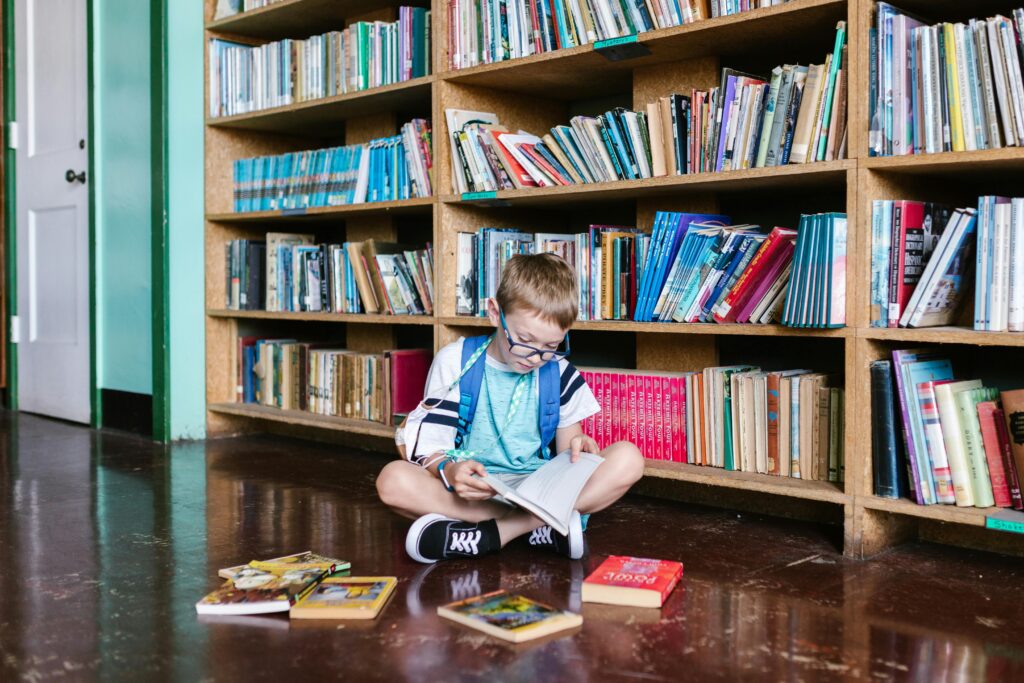
Need Personalized Support? Reading Nook Tutoring Can Help
Every child learns differently. Some need extra encouragement, some need targeted reading instruction, and some simply benefit from one-on-one attention.
If you’re looking for more support or wondering “How can I help my child read better?”, Reading Nook Tutoring offers:
- Personalized reading assessments
- One-on-one structured literacy instruction
- Engaging, multisensory lessons
- Support for early readers, struggling readers, and reluctant readers
- Flexible scheduling
- A warm, encouraging learning environment
Parents can book a free consultation to learn more about how Reading Nook Tutoring can support your child.